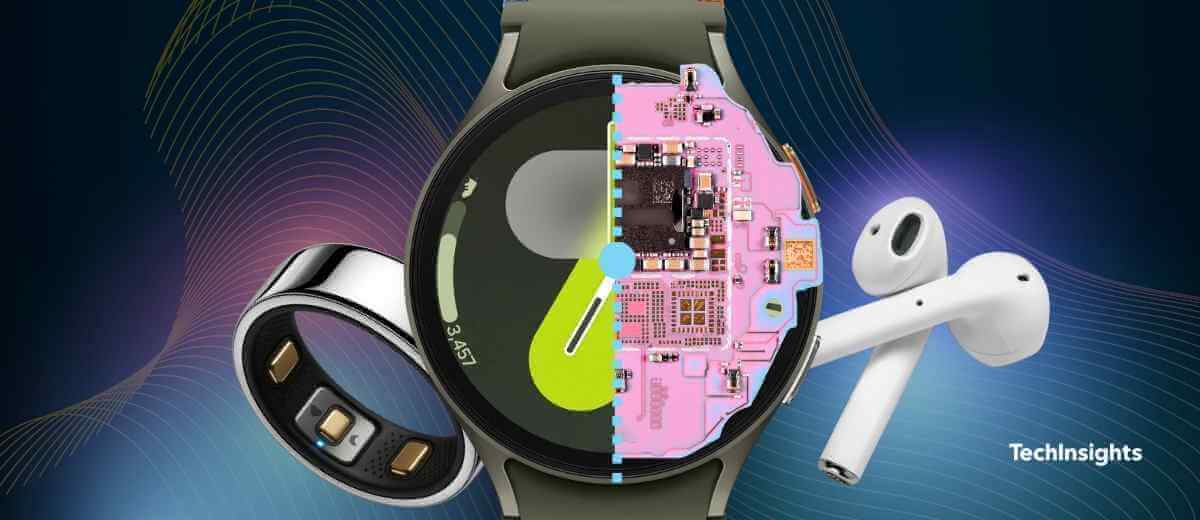
Wearable technology has already changed how people track fitness, monitor health, and stay connected. But the next wave of innovation is here: earables — smart devices in or around the ear. Once designed only for audio, today’s smart earbuds are evolving into multi-sensor platforms that can track health, detect gestures, and provide smarter, context-aware interactions.
Alongside earables, sensor-driven interfaces are becoming the backbone of modern computing. Technology is moving beyond screens and keyboards into a world where devices respond naturally to gestures, movement, sound, and even brain signals.
This article explores the rise of earables, wearables, and sensor-driven interfaces, their key technologies, healthcare applications, challenges, and future trends.
🎧 What Are Earables? (Smart Earbuds Explained)
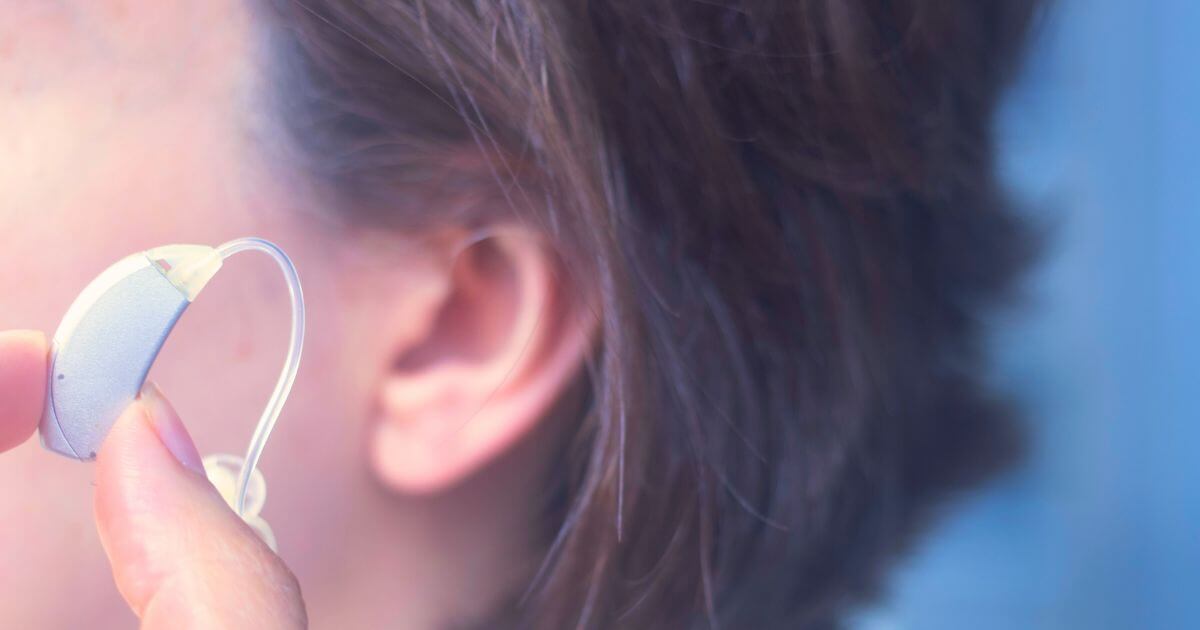
Earables are next-generation wearable devices designed to fit in or around the ear. Unlike standard wireless earbuds, they now include sensors for health tracking, gesture control, and brain-computer interface experiments.
Modern earables can:
-
Monitor heart rate, blood oxygen (SpO₂), and temperature.
-
Detect EEG brain signals for mental state and BCI (brain-computer interfaces).
-
Recognize head gestures (nods, shakes) for hands-free control.
-
Provide augmented audio experiences with AR integration.
This makes earables one of the most intimate wearable technologies — always-on, discreet, and close to the body’s richest sources of data.
📱 Wearables vs Earables: Why the Ear is the Future
While smartwatches and fitness trackers led the first wearable revolution, earables have unique advantages:
-
Proximity to the brain and circulatory system → more accurate biometric data.
-
Comfort and discretion → easy for daily use.
-
Immersive augmented audio → safer than AR glasses, no blocked vision.
-
Gesture support → new input methods beyond touchscreens.
Earables could eventually outpace smartwatches as the primary wearable device.
⚙️ Key Technologies in Earables & Sensor Interfaces
Several technologies are driving the growth of sensor-driven wearables and earables:
-
Biometric Sensors – measure HRV, SpO₂, temperature, stress, and neural signals.
-
Motion Tracking – accelerometers & gyroscopes detect head gestures.
-
AI & Edge Processing – on-device AI makes earables faster and more private.
-
Context-Aware Audio – adaptive microphones detect environment (traffic, speech, hazards).
-
Seamless Connectivity – Bluetooth LE, Wi-Fi, and UWB allow integration with phones, AR glasses, and IoT.
🌍 Real-World Applications of Earables
Earables are already moving into mainstream use:
-
Apple AirPods Pro (future versions) may include heart rate and temperature sensors.
-
Bose Hearphones use sound augmentation for situational awareness.
-
Bragi Dash Pro pioneered fitness tracking + gesture recognition.
-
EEG earbuds are being tested for brain-computer interfaces and mental health monitoring.
Meanwhile, Meta and Google are positioning earables as companions to AR glasses, creating a full sensory ecosystem.
🩺 Earables in Healthcare
Healthcare is the most promising field for earables. Their close contact with blood vessels and nerves means higher accuracy than wrist devices.
Examples include:
-
Continuous health tracking (heart, breathing, temperature).
-
Chronic condition monitoring (COPD, heart disease).
-
Stress & mood tracking through HRV + EEG.
-
Telemedicine integration – real-time patient data shared with doctors.
In the future, FDA-approved medical earables could become standard for preventive care and remote health monitoring.
🕹️ Earables in Human-Computer Interaction
Beyond health, earables are transforming user interaction:
-
Head gestures – nod to answer, shake to decline.
-
Voice-first control – seamless integration with Siri, Alexa, Google Assistant.
-
Augmented audio – real-time translation, navigation cues, or notifications.
-
Brain-Computer Interfaces (BCIs) – EEG earables for gaming and accessibility.
Earables could be the bridge to hands-free, screen-free computing.
🌐 Sensor-Driven Interfaces Beyond Earables
Other sensor-driven wearables are gaining traction:
-
Smart rings for gesture recognition.
-
Smart glasses for AR and eye-tracking.
-
Smart clothing with integrated posture/movement sensors.
-
Ambient sensors in homes, vehicles, and offices for adaptive automation.
Together, these trends push toward ambient computing, where technology fades into the background and simply works.
⚠️ Challenges of Earables & Sensor Interfaces
Key challenges include:
-
Battery life: multiple sensors drain small earbuds quickly.
-
Miniaturization: fitting sensors in compact designs.
-
Signal accuracy: movement and noise can affect readings.
-
Privacy risks: continuous monitoring raises ethical concerns.
-
Consumer adoption: convincing users to pay beyond audio features.
🔮 The Future of Earables & Sensor Wearables
Expect major advances in the next 5 years:
-
Healthcare-certified earables for medical monitoring.
-
AR/VR integration – earables paired with smart glasses.
-
Affordable brain-computer interfaces via EEG earbuds.
-
Smarter ambient sensors everywhere (cars, homes, offices).
-
AI personalization – assistants predicting needs in real time.
Earables may become the primary wearable platform, surpassing watches and bands.