The world of PC hardware is evolving quickly. While CPUs and GPUs often dominate the spotlight, one component has been quietly getting smarter: the motherboard. In 2025, AI-assisted motherboards with dynamic performance tuning are emerging as one of the most exciting IT trends.
Instead of being just the backbone of your PC, the motherboard is now taking an active role in optimizing gaming performance, productivity, and energy efficiency in real time.
In this article, we’ll explore what AI-assisted motherboards are, how dynamic performance tuning works, and why this technology could change how you build and use PCs in the years ahead.
What Is an AI-Assisted Motherboard?
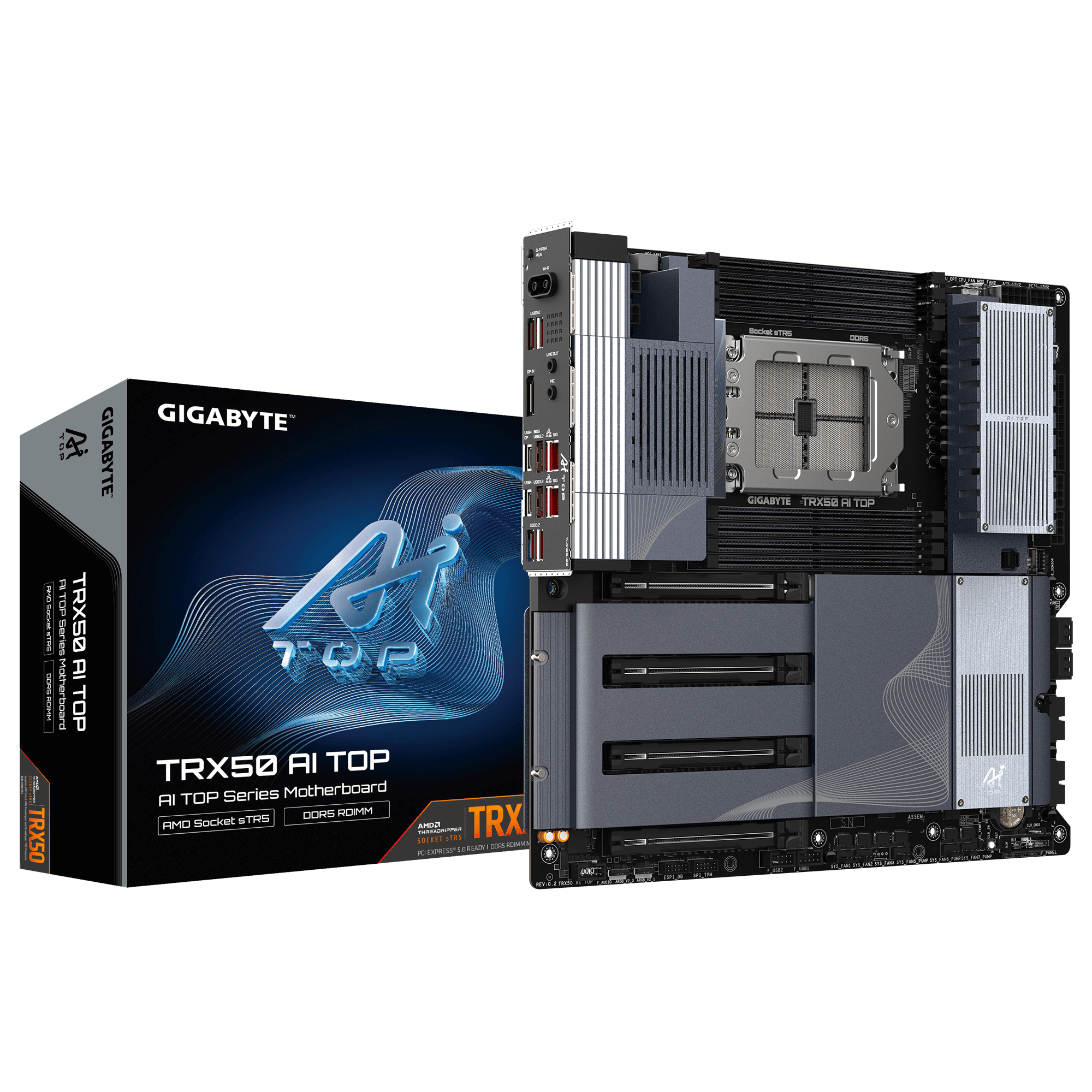
An AI-assisted motherboard is a next-generation PC motherboard that uses artificial intelligence algorithms to monitor and adjust system performance. Unlike traditional boards, which rely on manual BIOS tweaks or static settings, AI-driven motherboards can:
-
Monitor CPU and GPU workloads
-
Adjust clock speeds and voltages on the fly
-
Optimize core usage distribution
-
Manage cooling (fans, liquid pumps, etc.) dynamically
-
Balance performance and power efficiency in real time
This is called dynamic performance tuning — the ability to automatically adjust your PC based on workload, thermal conditions, and user needs.
How Dynamic Performance Tuning Works
The secret behind these new motherboards is the integration of machine learning. By analyzing real-time data — such as temperatures, voltages, and workload intensity — the board decides whether to boost performance or reduce power draw.
Key features include:
-
System Load Detection – Recognizes if you’re gaming, browsing, or editing video.
-
Thermal Management – Prevents overheating by adjusting voltage and fan curves.
-
Smart Overclocking – Pushes CPUs when headroom exists, scales back before throttling.
-
Energy Optimization – Reduces unnecessary power draw during light tasks.
This means your PC is always running at the optimal balance of speed, stability, and efficiency — without you touching the BIOS.
Benefits for Gamers
Gamers are one of the biggest winners from AI-assisted motherboards. Benefits include:
-
🎮 Higher and More Stable Frame Rates – Less stutter and fewer drops caused by poor power management.
-
⚡ Adaptive Overclocking – Get more performance only when it’s safe to do so.
-
❄️ Smarter Cooling – Quieter fans when browsing, full cooling power when gaming.
-
🛡️ Component Protection – Reduced risk of damaging your CPU from aggressive manual overclocking.
For competitive gaming, consistency is king — and AI tuning delivers smoother gameplay without constant tweaking.
Benefits for Productivity and Everyday PC Users
AI-assisted motherboards aren’t just for gamers. Everyday users and professionals benefit too:
-
📂 Productivity Boosts – Editing software, coding, or multitasking runs smoother.
-
🔋 Energy Savings – Laptops last longer; desktops consume less power.
-
🧊 Longer Hardware Life – Smarter thermal control prevents overheating.
-
👍 User-Friendly – No need to understand complex BIOS settings.
For students, home office workers, or creative professionals, this means a “set it and forget it” PC experience.
AI vs Manual Tuning: What’s the Difference?
Enthusiasts have long used BIOS to manually overclock CPUs and tweak fan curves. So what’s different about AI-assisted tuning?
-
Adaptive, Not Static – Manual settings are fixed. AI tuning changes based on real-time conditions.
-
Safer – Automatic safeguards prevent unstable or damaging overclocks.
-
Accessible – Even beginners can enjoy performance boosts without technical knowledge.
For hardcore overclockers, manual control will always have a place. But for most users, AI-assisted tuning offers the best mix of safety and convenience.
Current Challenges
Like any new technology, AI-assisted motherboards face some hurdles:
-
⚠️ Higher Costs – Premium boards carry higher price tags.
-
⚠️ Accuracy of AI Models – Effectiveness depends on the quality of tuning algorithms.
-
⚠️ Transparency – Some users dislike “black box” decision-making.
-
⚠️ Compatibility – Benefits may vary depending on CPU, GPU, and RAM pairings.
Still, these challenges are shrinking as more manufacturers refine their AI features.
Future of AI in Motherboards
The future looks exciting for AI-driven performance tuning. Expect to see:
-
Personalized User Profiles – Systems that learn your unique habits.
-
Cross-Component Optimization – Smarter collaboration between CPU, GPU, RAM, and storage.
-
Cloud-Enhanced AI – Boards that receive updates and improvements from shared global data.
-
Tighter OS Integration – Deeper cooperation between Windows/Linux and motherboard AI systems.
As these innovations spread, AI-assisted motherboards will likely become standard features in mid-range and high-end PCs.
Why AI-Assisted Motherboards Matter
The shift toward AI in motherboards represents a fundamental change in how we think about PCs. Instead of being passive hardware, the motherboard becomes an active system manager — like having an onboard technician optimizing your PC every second.
-
For gamers, this means smoother FPS and less heat.
-
For creators, faster rendering without system instability.
-
For everyday users, longer device lifespans and lower energy bills.
Much like cars evolved from manual tuning to computer-assisted fuel injection, PCs are now entering the age of intelligent self-optimization.
Conclusion
AI-assisted motherboards with dynamic performance tuning are reshaping the future of PC hardware. By using real-time monitoring and machine learning, these boards automatically balance performance, efficiency, and thermal management in ways manual tuning never could.
For gamers, professionals, and casual users alike, this technology promises faster, cooler, and more reliable PCs — without the hassle of manual tweaking.
While early adoption may come with higher costs and some teething issues, the direction is clear: the smart motherboard era has arrived. In the coming years, expect AI tuning to be as standard as built-in Wi-Fi or RGB lighting.