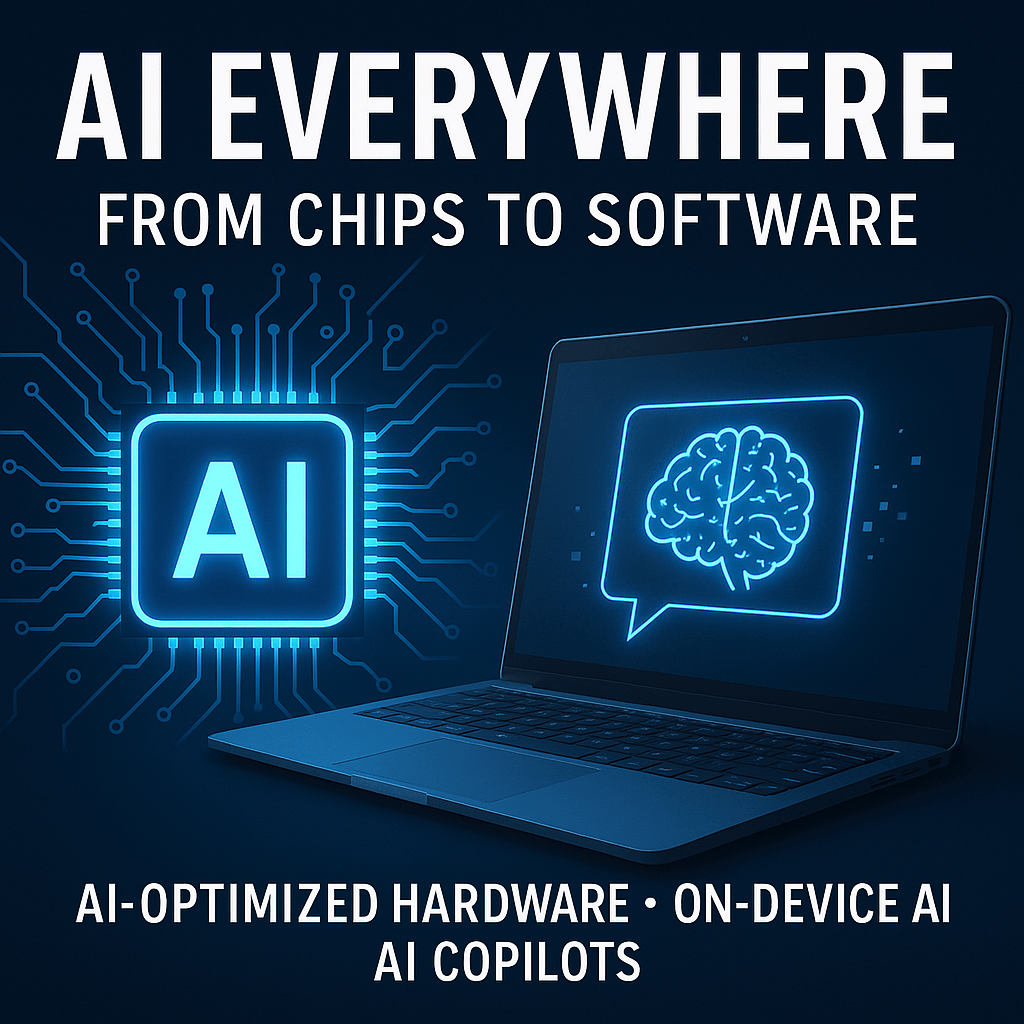
Artificial Intelligence is no longer a niche technology. In 2025, AI is everywhere—from the chips inside our PCs and smartphones to the software applications we use daily. This shift is powered by AI-optimized hardware, on-device AI for faster private computing, and AI copilots integrated into tools like Microsoft Office, Google Workspace, and Adobe Creative Cloud.
This article explores the AI Everywhere trend, why it matters, and how it is shaping the future of computing.
What Is “AI Everywhere”?
“AI Everywhere” describes the integration of artificial intelligence at every level of technology:
-
Hardware: Chips from NVIDIA, AMD, Intel, and Qualcomm are optimized for AI.
-
On-Device AI: Phones, PCs, and wearables run AI models locally.
-
Software: Productivity apps now include AI copilots that help users work faster.
AI-Optimized Hardware: The Foundation of AI Everywhere
What Are AI-Optimized Chips?
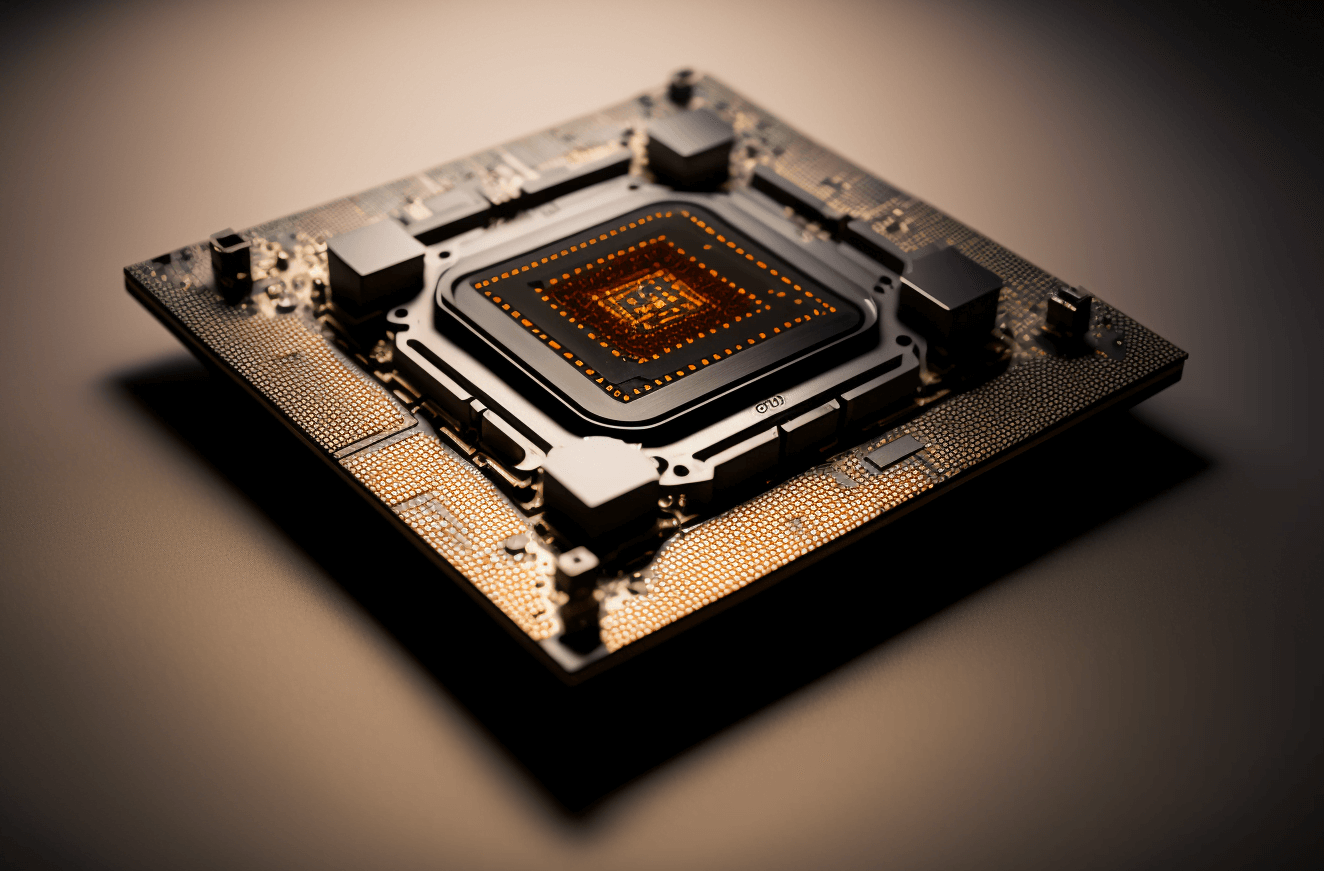
AI workloads like machine learning and generative AI require huge processing power. To meet this demand, tech giants are creating AI accelerators and NPUs (Neural Processing Units).
NVIDIA: Leading AI Performance
-
H100 and Blackwell GPUs dominate AI data centers.
-
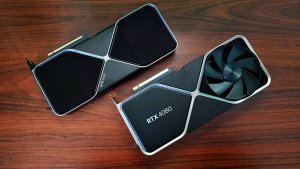
RTX GPUs in gaming PCs now handle AI tasks like image upscaling and real-time video processing.
AMD: Affordable AI Acceleration
-
Instinct MI300 accelerators for enterprises.
-
Ryzen CPUs with AI support, making advanced features mainstream.
Intel: AI in Everyday PCs
-
Core Ultra CPUs with built-in NPUs.
-
Enables local AI tasks like transcription, noise reduction, and background processing.
Qualcomm: AI for Mobile Devices
-
Snapdragon X Elite and Snapdragon 8 Gen 3 bring powerful AI to laptops and smartphones.
-
Supports real-time translation, image enhancement, and generative AI on-device.
💡 Search Tip: People looking for “best AI chips 2025” or “AI hardware for PCs” will find this section relevant.
On-Device AI: Faster, Private, and More Efficient
Why Is On-Device AI Important?
Traditionally, AI required cloud servers. But on-device AI means tasks are processed locally, making them:
-
Faster – No internet delay or latency
-
Private – Sensitive data never leaves your device
-
Efficient – Saves bandwidth and reduces cloud costs
Examples of On-Device AI
-
Apple Neural Engine – FaceID, Siri, photo recognition.
-
Windows Copilot PCs – AI features powered by built-in NPUs.
-
Wearables – Smartwatches analyzing heart rate and sleep locally.
💡 Search Tip: People search for “on-device AI vs cloud AI” → this section answers it directly.
AI Copilots: How Software Is Changing
The most visible form of AI Everywhere is AI copilots—AI assistants built into productivity apps.
Microsoft Copilot
-
Word & Excel: Drafts text, analyzes data, builds charts.
-
Outlook: Summarizes emails, drafts replies.
-
PowerPoint: Creates presentations from text prompts.
-
Windows 11 Copilot: System-wide assistant.
Google Workspace AI
-
Docs: Rewrites and polishes text.
-
Sheets: Generates formulas and analyzes data.
-
Gmail: Writes emails instantly.
Adobe Firefly in Creative Cloud
-
Generative Fill in Photoshop: Remove or add objects with AI.
-
AI video editing in Premiere Pro.
-
Vector AI in Illustrator: Create instant design assets.
Industry-Specific Copilots
-
GitHub Copilot: Assists with coding.
-
Salesforce Einstein: Helps sales teams with insights.
-
Figma AI: Auto-generates design layouts.
💡 Search Tip: People Google “What is Microsoft Copilot?” or “AI in Google Docs” → this section is keyword-friendly for both.
Benefits of AI Everywhere
-
Productivity Boosts – Less time on repetitive tasks.
-
Creativity Unlocked – AI helps brainstorm and design.
-
Stronger Security – On-device AI protects private data.
-
Ubiquity – Every major device and app will soon have AI by default.
Challenges of AI Everywhere
-
Battery Life – AI processing uses more power.
-
Hardware Cost – AI-optimized PCs and phones may be more expensive.
-
Privacy Risks – Cloud AI still raises concerns.
-
Learning Curve – Workers must adapt to new workflows.
The Future of AI Everywhere
Looking ahead, we can expect:
-
AI-Native PCs – Devices designed around AI, not just CPUs and GPUs.
-
Smartphones as AI Hubs – Real-time assistants available offline.
-
Wearable AI – Glasses, earbuds, and watches with AI copilots.
-
Ambient AI – AI working in the background across all devices.
💡 Search Tip: Keywords like “future of AI hardware” and “AI PCs 2025” fit this section.
Conclusion: AI Is Becoming Invisible
The age of AI Everywhere is here. From AI-optimized chips by NVIDIA, AMD, Intel, and Qualcomm, to on-device AI in smartphones and PCs, and AI copilots across productivity apps, artificial intelligence is no longer optional—it’s essential.
Soon, AI will be as expected in technology as Wi-Fi or Bluetooth. Whether you’re upgrading a PC, buying a phone, or using office software, AI will already be built in.